
Precision Sheet Cutting by Burnhouse Engineering
Flatbed laser cutting is a precision cutting process is where a CNC – computer numerical controlled laser is controlled by a computer using programmed instruction – usually a CAD/CAM file – so it can cut, drill, or shape materials accurately, consistently, and repeatably with minimal manual input. It allows a compnat like Bur to cut shapes from flat sheet metal laid on a cutting bed. The laser’s focused beam melts or vaporises the material, while assist gas blows away debris for a clean edge. It’s ideal for fast, accurate parts in steel, stainless steel, and aluminium—perfect for prototypes or production runs.
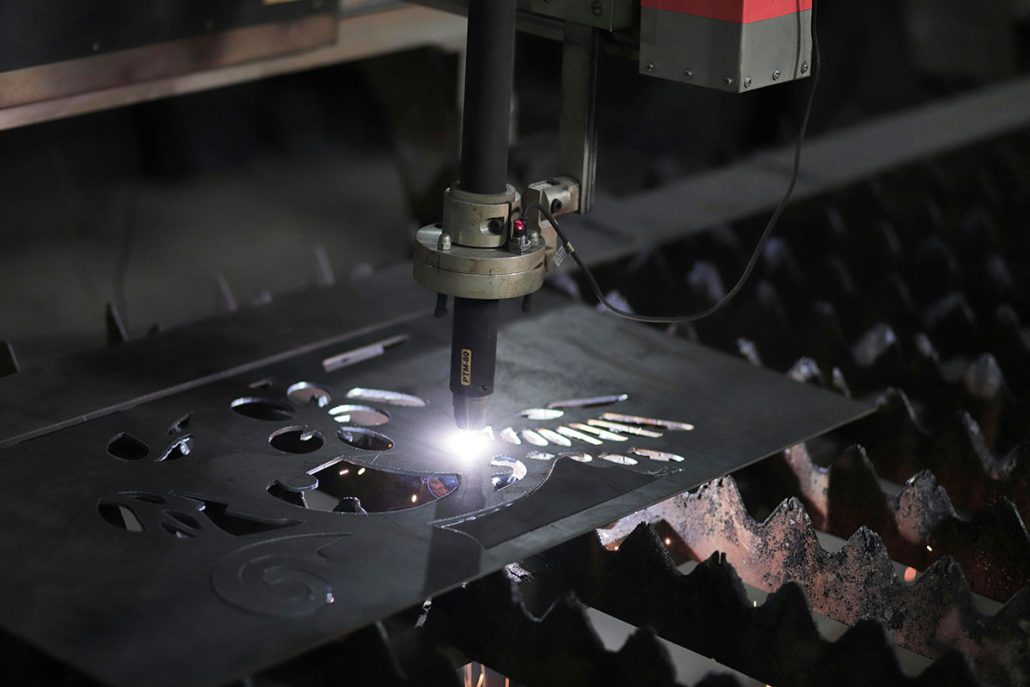
Flatbed laser cutting is one of the most reliable ways to produce sheet metal components, especially for those seeking a quick turnaround with absolute precision and accuracy. At Burnhouse Engineering, we provide a laser cutting service in Scotland that supports everything from one-off prototypes to repeat production for industrial and construction clients.
Our flatbed laser cutting capability is fully integrated with fabrication, welding and assembly services, allowing customers to move from raw sheet to finished component without unnecessary handovers, delays or tolerance issues.
If you’re looking for flatbed laser cutting, sheet laser cutting, or a dependable laser cutting service in Scotland, Burnhouse Engineering offers fast lead times, consistent quality and practical engineering support from enquiry through to delivery.
What Is Flatbed Laser Cutting?
How a CNC Laser Cutter Cuts Sheet Metal
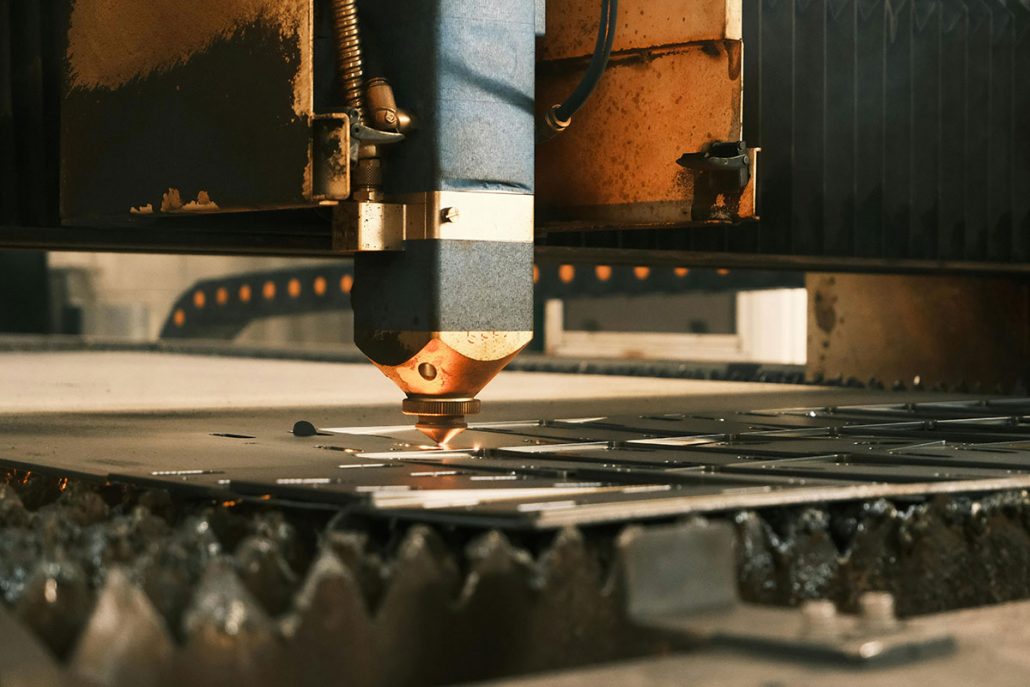
Flatbed laser cutting uses a CNC-controlled laser to cut flat sheets of metal with high accuracy and repeatability. Compared to traditional cutting methods such as plasma or oxy-fuel, flatbed laser cutting delivers cleaner edges, finer details, and tighter tolerances, particularly on thin to medium plates. It is well-suited to components that require accuracy for downstream fabrication, welding or assembly.
Flatbed vs Tube Laser Cutting (and When Each Is Best)
Flatbed laser cutting is designed for sheet and plate components such as brackets, panels, base plates, gussets and enclosures. It excels where parts are flat and require precision profiling.Tube laser cutting, by contrast, is used for RHS, SHS, CHS and other section profiles. Where projects include both sheet components and tubular structures, Burnhouse Engineering can support both processes, ensuring parts fit together accurately at the assembly stage.
What Can You Cut on a Flatbed Metal Laser Cutter?
Materials Commonly Laser Cut
Burnhouse’s flatbed laser cutting service supports the following materials:
● Mild steel
● Stainless steel
● Aluminium
These materials cover the majority of requirements across general engineering, construction supply chains and industrial fabrication.
Thickness, Tolerance and Edge Quality – Understanding What Matters in Practice
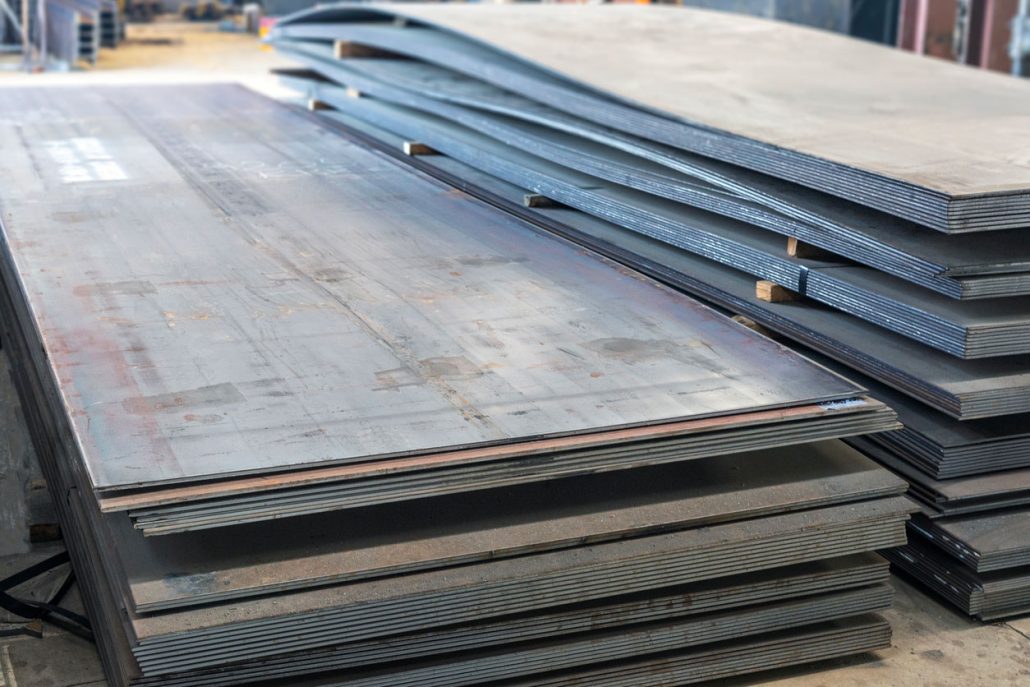
Our flatbed laser cutting is powered by a 12kW fibre laser with a maximum sheet size of 3000×1500mm. Typical cutting capability includes:
● Mild steel: up to 60mm
● Stainless steel: up to 40mm
● Aluminium: up to 25mm
Typical cutting tolerance is +/-0.5mm, depending on material thickness and geometry. Edges are clean with a minimal heat-affected zone, making parts suitable for welding, folding or finishing without excessive secondary preparation. For batch production, CNC control ensures excellent repeatability.
What Flatbed Laser Cutting Is Used For Real-World Parts
Prototyping and Product Development
Flatbed laser cutting is ideal for prototyping and early-stage product development. Engineers can move quickly from CAD to physical parts, test fit and function, and make revisions without long lead times.
This speed and accuracy allow design teams to refine components efficiently while keeping costs under control.
Final Manufacture and Batch Production
For production work, laser cutting delivers consistency across repeat runs, making re-ordering straightforward. Parts are produced to the same geometry every time, reducing assembly variation and improving overall build quality.
This makes flatbed laser cutting a strong option for SMEs and procurement teams who need a dependable supply without compromising accuracy.
From Cut Sheet to Finished Assembly
Fabrication After Cutting
Laser cutting is often just the first step. Burnhouse Engineering supports downstream fabrication processes, including drilling, tapping, deburring and preparation for welding, allowing parts to progress seamlessly through the workshop.
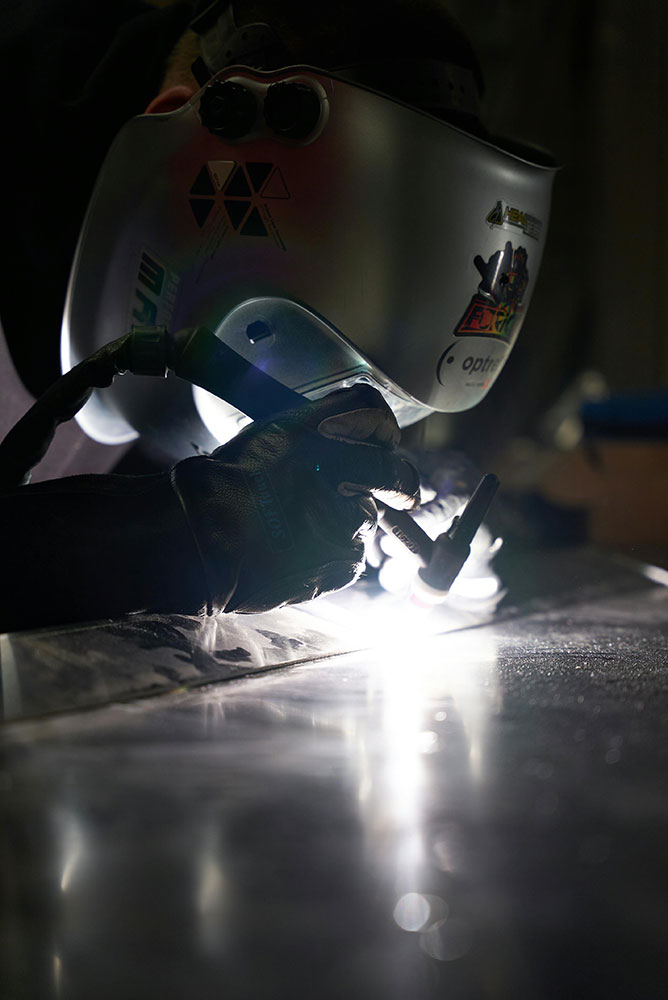
Welding and Assembly In-House
By keeping cutting, fabrication and welding under one roof, Burnhouse Engineering reduces supplier interfaces and eliminates common issues such as tolerance stack-up or mismatched revisions.
The workflow is straightforward: cut → prepare → weld → assemble, all to drawing and specification. This integrated approach improves lead times, reduces rework and delivers assemblies that arrive on site ready to install.
Getting Better Results: Design Tips for Laser-Cut Sheet Metal
What Files to Send (and How to Avoid Delays)
For accurate quoting and efficient processing, Burnhouse Engineering recommends supplying:
● DXF or DWG files for 2D profiles
● STEP files where assemblies or reference geometry is helpful
● Clear revision control
● Material specification, thickness and quantity
Providing complete information upfront helps avoid delays and ensures the cut parts match design intent.
Practical Design Rules That Save Time and Cost
Simple design choices can enhance cut quality and lower costs. Avoid very small internal features, allow sensible tolerances, and design holes and slots appropriate to material thickness. Tab-and-slot features can be used to improve alignment during fabrication and reduce fixturing time.
Nesting and Material Efficiency
Part geometry, quantities and layout affect nesting efficiency, which in turn influences cost and lead time. Grouping similar materials and thicknesses, and avoiding unnecessary micro-features, helps maximise material yield and reduce waste.
Typical Sectors and Jobs We Support Across Scotland
Burnhouse’s flatbed laser cutting service supports a wide range of sectors, including:
● General engineering and fabrication
● Construction supply chain
● Renewables and energy infrastructure
● Facilities maintenance and plant upgrades
● OEM and bespoke industrial components
Our ability to move parts from cut sheet to welded assembly makes us a practical partner for projects of varying scale and complexity.
How to Request a Quote
What to Include in Your Enquiry
To receive an accurate and timely quote, include:
● Material and thickness
● Quantity required
● Finish or secondary operations
● Tolerances (where critical)
● Required lead time
● Drawings and CAD files
Prototype vs Production Quoting
Pricing is influenced by material choice, thickness, part complexity, batch size and any secondary processes such as fabrication or welding. Whether you need a one-off prototype or repeat production, we quote transparently and advise on the most cost-effective options for sheet laser cutting. From prototype parts to production assemblies, our focus is on accuracy, consistency and engineering-led solutions that work for your team.
Send your enquiry today to request a quote for our laser cutting service and see how Burnhouse Engineering can support your next project.