
In high-purity stainless steel pipework, the quality of every weld is extremely important. Although a weld may be defined as a “join”, in certain industries, a weld is part of the system itself, influencing cleanliness, inspection, reliability and long-term performance. For example, in pharmaceuticals, life sciences, food production and other controlled process environments, even small inconsistencies within a pipe joint can affect how easily a system can be cleaned, maintained and validated.
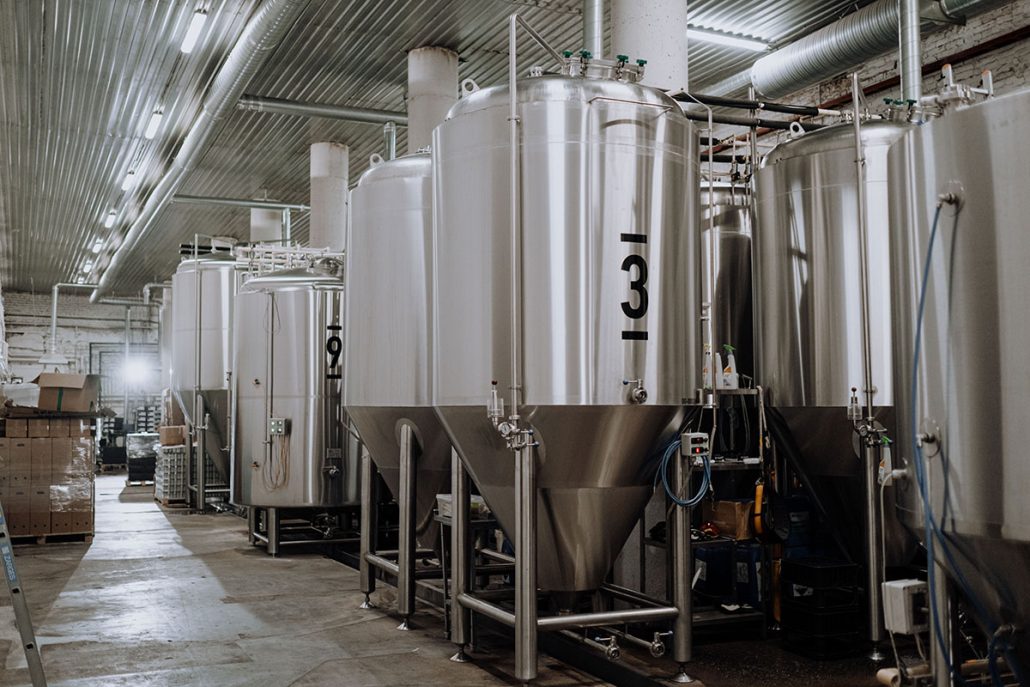
That’s why orbital welding has become an established solution for many stainless steel pipe fabrication projects where consistency and repeatability are critical. Rather than relying entirely on manual technique, orbital welding uses an automated process to produce highly consistent welds around the circumference of a pipe. Combined with good design, careful preparation and thorough documentation, it helps deliver the quality standards expected in modern process industries.
This article explains what orbital welding is, why it matters for high-purity pipework, and what technical buyers should consider when planning their next project.
The Role of Orbital Welding in Stainless Steel Pipework
Orbital welding is an automated form of TIG (Tungsten Inert Gas) welding designed specifically for joining tube and pipe. Instead of a welder manually moving the torch around the joint, the welding head travels through a controlled 360-degree rotation around the pipe, producing a consistent weld around the entire circumference.
The process is particularly well suited to stainless steel pipe fabrication, where repeatable weld quality is essential. Parameters such as travel speed, current and arc control are programmed before welding begins, reducing variation between individual welds.
This doesn’t mean manual TIG welding has become obsolete. Skilled manual welders remain essential for bespoke fabrications, complex repairs and installations where access is restricted. However, when projects involve multiple pipe joints requiring identical results, orbital TIG welding offers significant advantages in consistency and repeatability.
Why Stainless Steel Pipework Needs Consistent Weld Quality
In many industrial systems, a weld simply needs to provide sufficient mechanical strength. High-purity process systems demand considerably more than that.
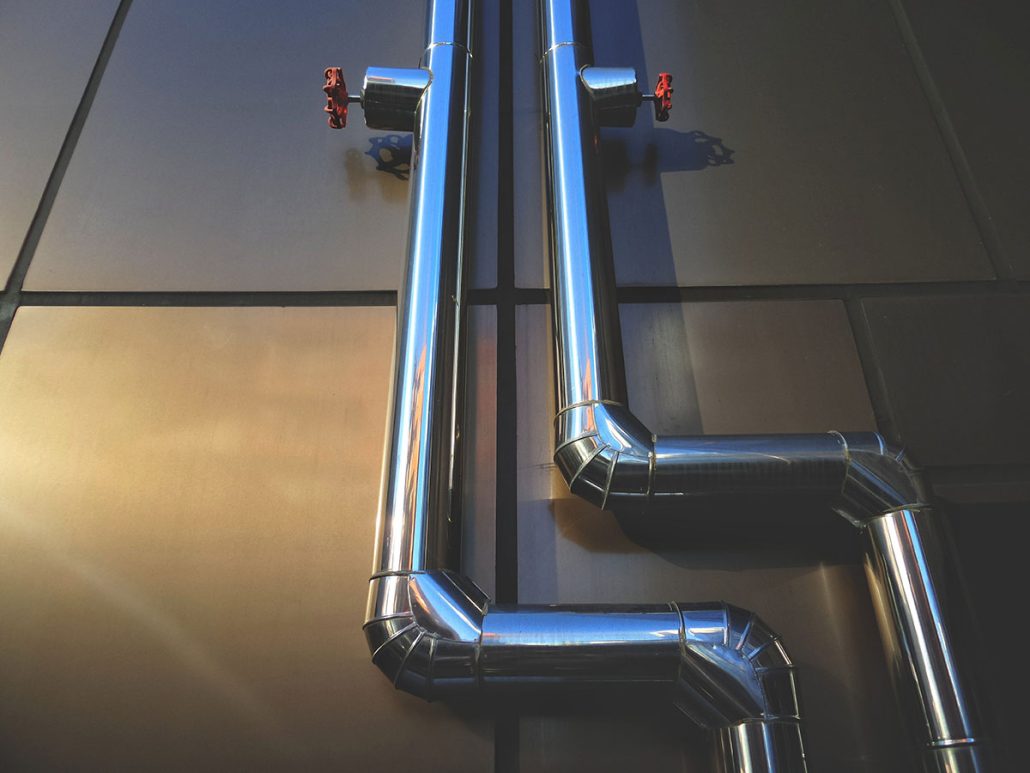
Within hygienic or controlled environments, the internal surface of the pipe is just as important as its external appearance. Poor weld quality can create uneven surfaces, excessive penetration, crevices or areas where contaminants may accumulate. These imperfections can make stainless steel pipework more difficult to clean, inspect and maintain throughout its service life.
Consistent weld quality helps deliver:
- Smooth internal pipe surfaces
- Improved cleanability
- Reduced contamination risk
- Repeatable weld quality across an entire installation
- Easier inspection and reporting
- Greater confidence in long-term system performance
These factors are particularly important for systems carrying purified water, clean compressed air, process fluids or product-contact materials, where cleanliness and reliability are fundamental operational requirements.
The objective isn’t simply producing a strong weld; it’s producing one that’s appropriate for the environment in which it will operate
Where High-Purity Stainless Steel Pipework Is Commonly Used
Orbital welding is most commonly found in industries where hygiene, process control, repeatability and documentation are central to successful project delivery.
Pharmaceutical and Life Science Systems
Pharmaceutical manufacturing facilities and life science laboratories frequently rely on carefully designed stainless steel fabrication to support critical production processes.
Applications commonly include:
- Purified water systems
- Clean compressed air lines
- Process pipework
- Stainless steel utility systems
- Laboratory services
Because these systems often operate within tightly controlled environments, consistent weld quality and comprehensive project documentation are essential throughout installation.
Food and Drink Process Pipework
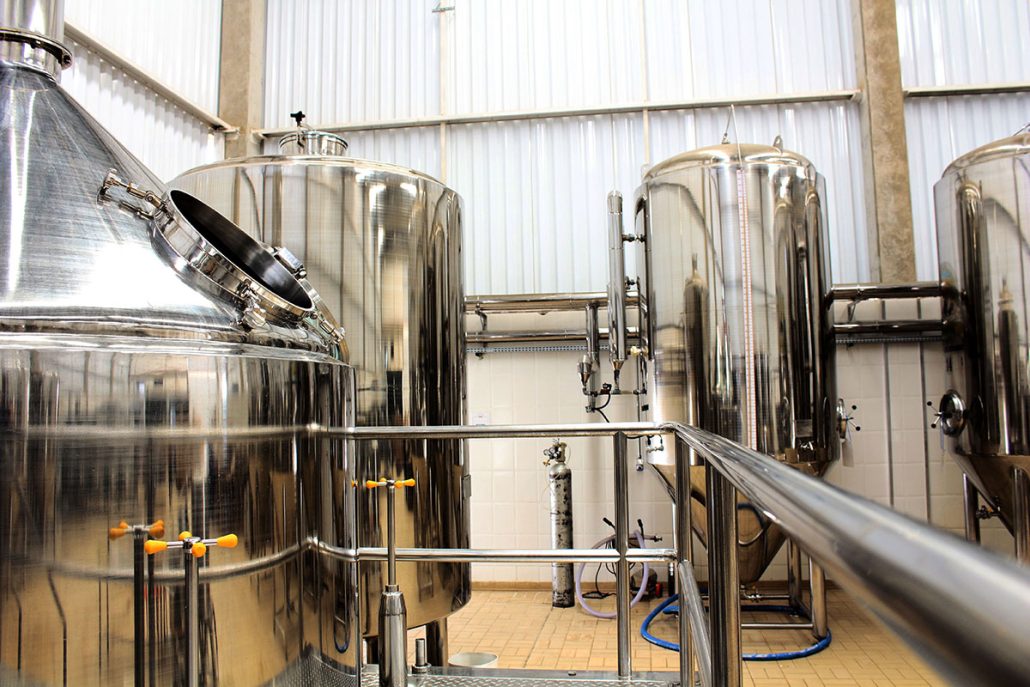
Food and beverage manufacturers also depend heavily on hygienic pipework systems.
Stainless steel is widely selected because of its durability, corrosion resistance and suitability for cleanable production environments. Orbital welding helps achieve consistent weld profiles across multiple joints, supporting smoother internal surfaces and reducing variation throughout the installation.
While every application differs, repeatable welding processes can contribute to improved cleaning performance and more straightforward inspection.
High-Integrity Industrial Systems
Not every industrial pipework project requires orbital welding. However, where reliability, repeatability and inspection requirements are particularly important, it can offer clear advantages.
Examples include:
- Chemical processing
- Energy infrastructure
- Specialist manufacturing
- Research facilities
- High-specification industrial plant
The decision ultimately depends on the operating environment, project specification and required level of quality assurance.
Welding Requirements for Stainless Steel Pipework Fabrication
Stainless steel fabrication remains one of the most common applications for orbital welding, particularly when working with grades such as 316 stainless steel, which is widely specified for hygienic and corrosion-resistant process systems.
Choosing the correct material is only one part of producing reliable pipework. Installation quality depends equally on:
- Appropriate material selection
- Accurate pipe preparation
- Correct fit-up before welding
- Controlled heat input
- Effective purge gas management
- Consistent weld parameters
- Suitable post-weld treatment
- Thorough inspection and documentation
Because orbital welding automates many of the critical welding variables, it provides greater control throughout the process, particularly where projects involve numerous identical welds requiring consistent quality.
Why Documentation Matters in Stainless Steel Pipework Projects
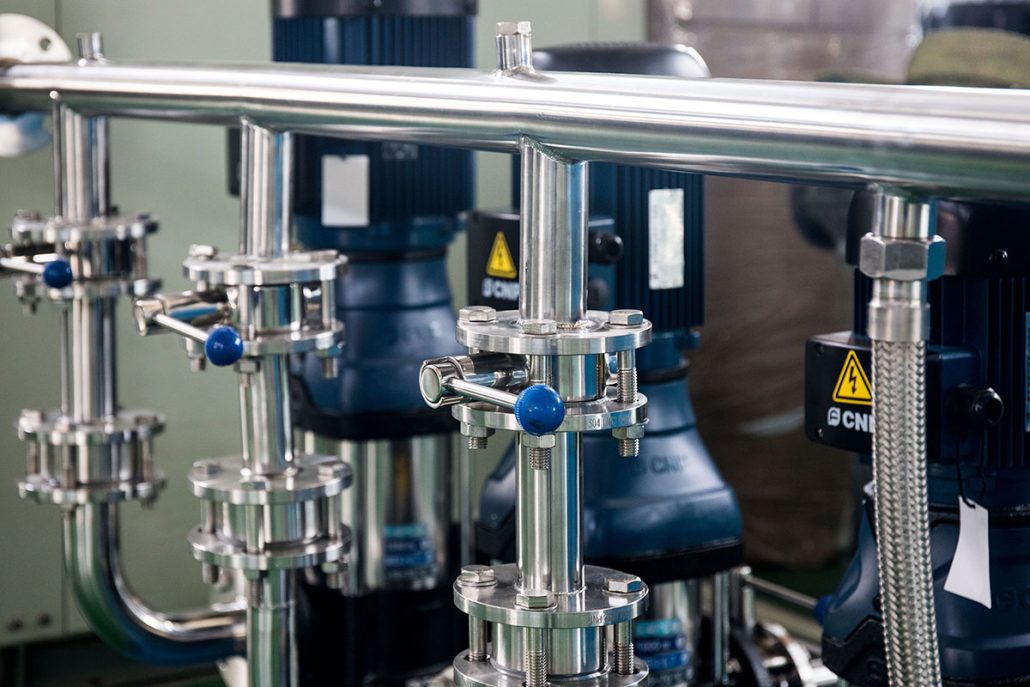
Successful high-purity pipework projects are supported by both quality workmanship and comprehensive documentation. Project records are more than just paperwork, as they provide evidence of what has been installed, how it was manufactured and how quality has been verified throughout the project.
Depending on the specification, documentation may include:
- Weld reports
- Inspection and Test Plans (ITPs)
- Pipe drawings
- Material certificates
- Passivation certificates
- Welder qualification records
- Dimensional inspection records
Good documentation supports future maintenance, planned modifications, inspection programmes and facility audits. It also provides confidence that the finished installation aligns with the agreed project requirements.
For many regulated industries, both the physical pipework and the accompanying records are equally important.
Orbital Welding vs Manual TIG Welding
A common misconception is that orbital welding replaces manual TIG welding entirely. In reality, the two processes complement one another.
Manual TIG welding remains invaluable for bespoke fabrication, repair work, modifications, difficult access conditions and one-off installations where flexibility is required.
Orbital welding, meanwhile, is particularly well suited to:
- Repeated circular pipe joints
- High-purity stainless steel systems
- Projects requiring consistent documentation
- Installations with multiple identical welds
- Applications demanding repeatable weld quality
Many projects use both techniques. Larger workshop-fabricated pipe assemblies may be orbital welded, while final connections or specialist modifications on site may still require experienced manual TIG welders.
Selecting the correct welding process depends on several factors, including material specification, pipe size, access, installation conditions and project quality requirements.
What Buyers Should Ask Before Starting a Stainless Steel Pipework Project
Successful stainless steel pipework projects begin with clear planning rather than reacting to issues during installation.
Before fabrication starts, buyers should consider asking:
- What material specification is required?
- Is stainless steel the appropriate choice?
- Does the application require 316 stainless steel?
- Will the system carry purified water, clean compressed air or another process medium?
- Can sections be fabricated in the workshop before installation?
- Which elements must be completed on site?
- Are weld reports or inspection documentation required?
- Will material certificates form part of the handover?
- Is passivation specified?
- Does the contractor understand the operational environment?
- Can design, fabrication, welding and installation be coordinated under one project?
Addressing these questions early helps refine specifications, improve planning and minimise delays once fabrication begins.
How Burnhouse Engineering Supports Stainless Steel Pipework and Fabrication Projects
At Burnhouse Engineering, we understand that successful pipework fabrication involves far more than producing quality welds.
Many high-purity projects require close coordination between engineering design, workshop fabrication, orbital welding, site installation and quality documentation. Managing these activities together helps reduce unnecessary handovers between suppliers while improving communication throughout the project.
Our team supports clients across industrial manufacturing, pharmaceutical, life science and food production sectors with services including:
- Engineering design support
- Stainless steel pipe fabrication
- Orbital welding
- Workshop manufacture
- On-site installation
- Project documentation and quality records
By considering access, sequencing, materials, fabrication methods and installation requirements from the outset, projects can often progress more efficiently while maintaining the quality standards expected in controlled environments.
Overview
High-purity pipework systems leave little room for inconsistency. Whether carrying purified water, clean compressed air or critical process media, every weld contributes to the overall performance of the installation.
Orbital welding provides a controlled, repeatable method of producing consistent welds that support cleanability, inspection and long-term reliability. When combined with appropriate material selection, careful fabrication, thorough inspection and robust project documentation, it helps deliver pipework systems suited to demanding industrial environments.
For sectors including pharmaceuticals, life sciences, food production and specialist manufacturing, welding should never be viewed as a final installation task. Considering the welding process early in the project allows design, fabrication and installation decisions to work together, helping deliver pipework systems that perform as intended throughout their operational life.
If you’re planning a high-purity pipework project, here at Burnhouse Engineering we can provide practical engineering support from design through to fabrication. Our orbital welding, installation and project documentation are designed to ensure quality is built into every stage of the process. Speak to our team today.