
For buyers of structural steelwork, standards like EN 1090 are not just technical requirements, but in fact directly affect safety, quality, traceability and overall project confidence. When structural components are fabricated, they are often destined for permanent installation in buildings, industrial plants, or infrastructure. That means they must not only meet design intent, but also be manufactured in a controlled and consistent way, with clear documentation to support compliance.
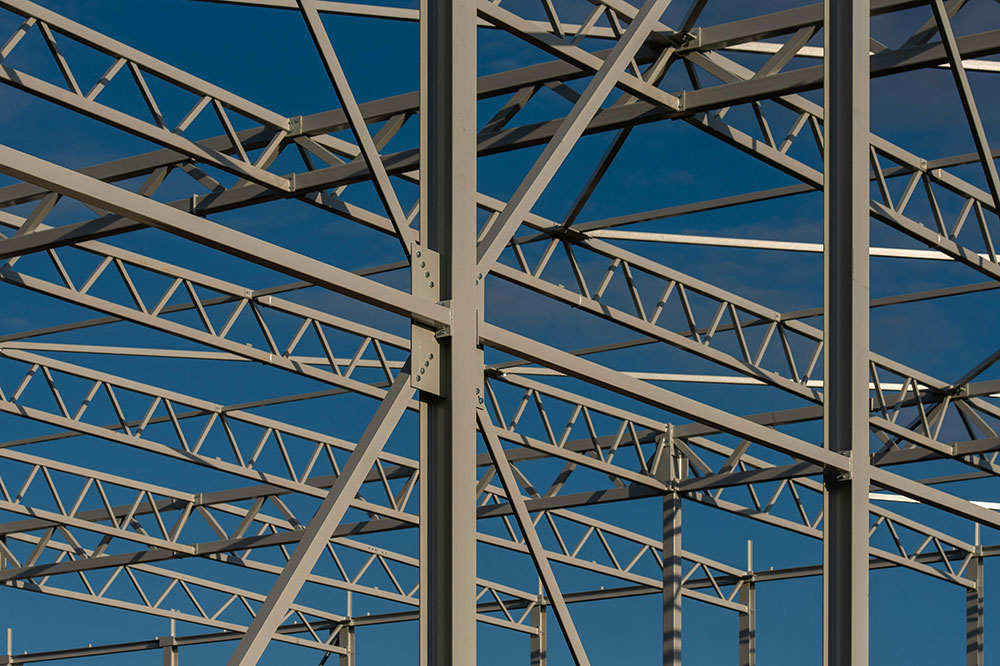
At Burnhouse Engineering, EN 1090 sits alongside practical deliverables such as detailed drawings, QA packs, inspection records, weld maps and installation-ready steelwork. For buyers, this translates into fewer uncertainties, smoother installations, and greater confidence that what arrives on site is fit for purpose.
What Is EN 1090?
EN 1090 is a European-origin series of standards that governs the execution of structural steel and aluminium components. In the UK, it is adopted as BS EN 1090. The standard is divided into three main parts:
- EN 1090-1: Conformity assessment and product compliance
- EN 1090-2: Technical requirements for steel structures
- EN 1090-3: Technical requirements for aluminium structures
At its core, EN 1090 is about ensuring that structural components are manufactured in a controlled, consistent and documented manner. It defines how fabrication processes should be managed, how quality is assured, and how compliance is demonstrated before components are supplied for use.
Why Was EN 1090 Created?
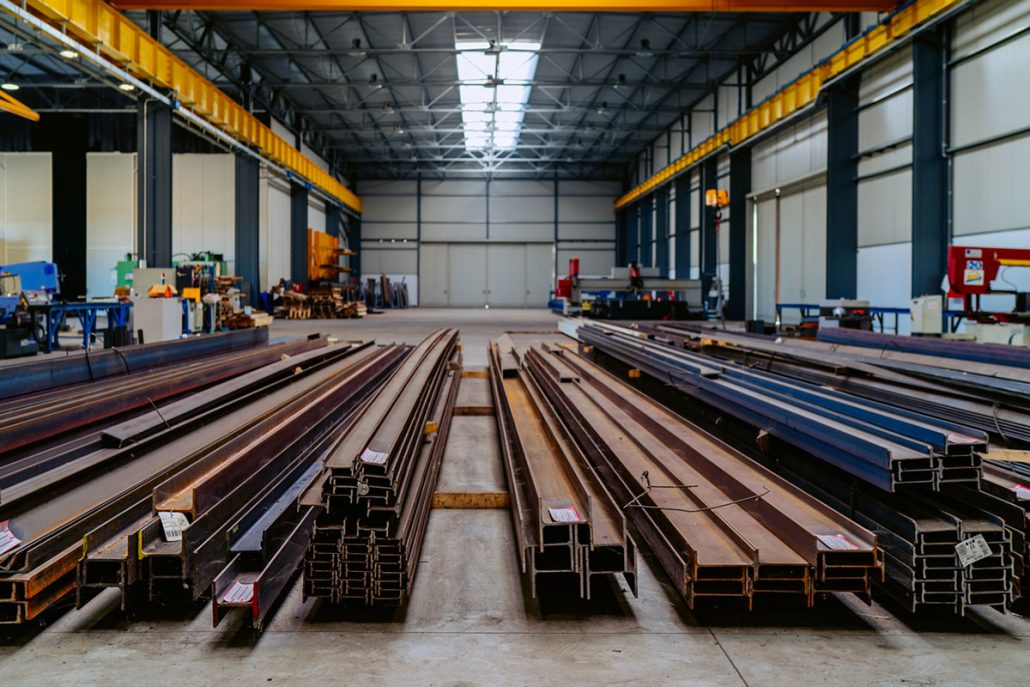
EN 1090 was developed to bring consistency and clarity to the manufacture and supply of structural steel and aluminium used in construction. Before its introduction, there was greater variation in how components were produced, checked and documented. EN 1090 provides a common framework that allows manufacturers to declare performance and demonstrate conformity in a structured way.
By standardising how structural components are fabricated and verified, the standard reduces ambiguity and helps ensure that materials placed on the market meet expected levels of safety and performance.
Why EN 1090 Matters in Engineering
Structural steelwork is inherently safety-critical, so the way it is manufactured matters as much as how it is designed. EN 1090 plays an important role in linking design intent with controlled execution in the workshop. It influences several key aspects of fabrication, including:
- Material selection and traceability
- Welding procedures and qualifications
- Dimensional tolerances and fit-up
- Inspection and testing requirements
- Record keeping and documentation
In practice, this means that structural components are not only built to drawing, but also supported by a clear, traceable process. For companies like Burnhouse Engineering, this aligns with the delivery of installation-ready steelwork, supported by drawings, inspection records and quality documentation.
Why It Is an Important Standard for Buyers
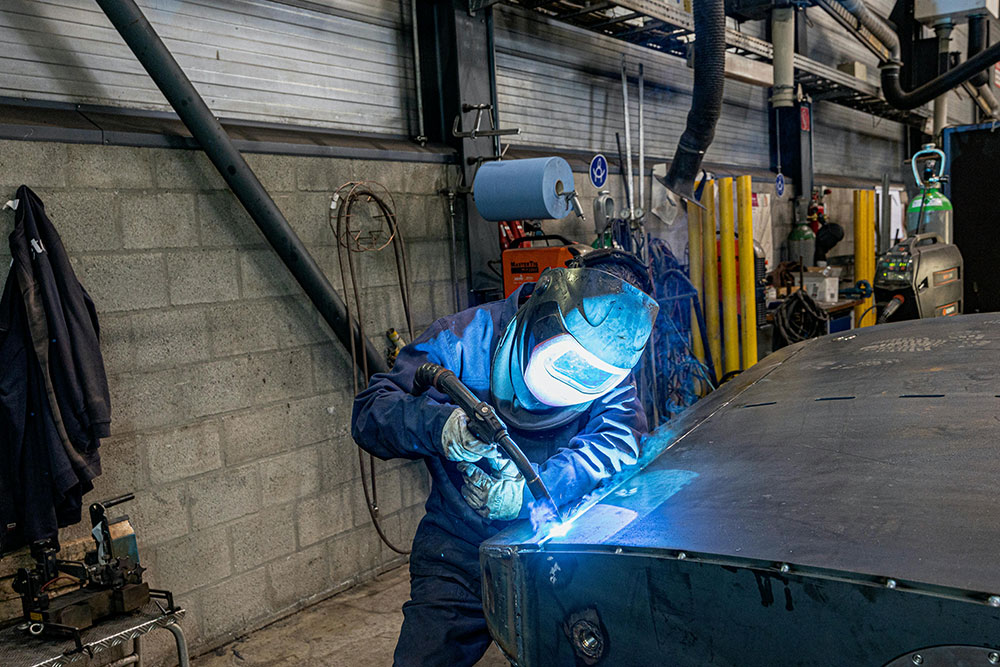
For buyers, EN 1090 provides a level of assurance that goes beyond the physical product. It demonstrates that structural steelwork has been produced within a recognised quality framework, supporting consistency, accountability and traceability throughout the fabrication process. This has several practical benefits:
- Greater confidence in the quality of supplied components
- Reduced risk of errors or rework on site
- Clear documentation to support project handover
- Improved coordination between design, fabrication and installation
Importantly, buyers are not simply purchasing a certificate. They are investing in documented, buildable and reliable structural steelwork, components that arrive pre-drilled, marked up and supported by QA documentation, ready for installation.
How EN 1090 Is Met in Practice During Engineering and Fabrication
Meeting EN 1090 requirements is not a single step, but a process that runs throughout the project lifecycle. It begins with a correct specification review, ensuring that the scope of work, execution class and technical requirements are clearly understood. Design and detailing must then align with the structural requirements, producing accurate general arrangement (GA) and detailed fabrication drawings. These drawings guide production and ensure consistency between design and manufacture.
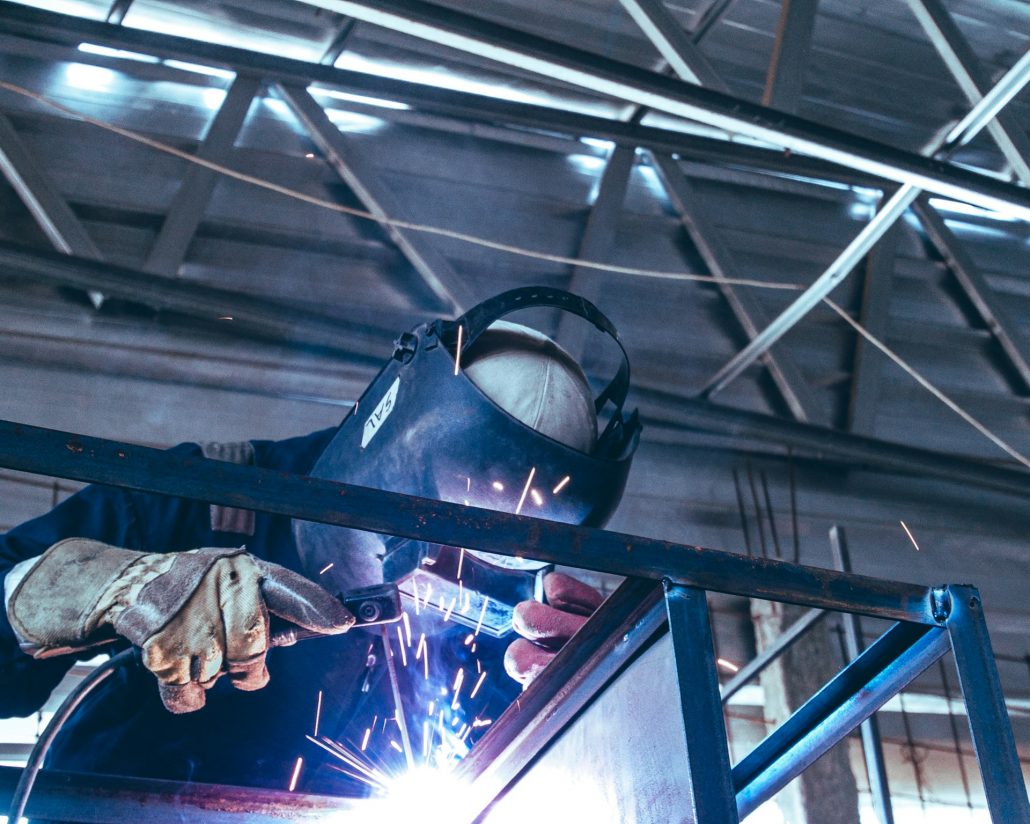
Material selection is controlled and traceable, with records maintained to link materials to specific components. During fabrication, dimensional control ensures parts are produced within tolerance. Welding is carried out using approved procedures, supported by qualified welders, and documented through weld maps and associated records. Inspection and testing are carried out at defined stages, often following an Inspection Test Plan (ITP).
Throughout the process, factory production control systems ensure that quality is maintained and recorded. This includes dimensional checks, coating inspections and traceable batch records. At completion, the project is supported by a QA pack, bringing together all relevant documentation, from material certificates and inspection records to drawings and weld information, providing a clear and auditable record of compliance.
The Role of Welding in Meeting BS EN 1090
Welding is a central element of compliance where structural steel components are involved.
The quality of welded joints has a direct impact on the integrity and performance of the structure. As a result, EN 1090 places strong emphasis on controlled welding practices. This includes the use of qualified welding procedures, supported by procedure qualification records, and welders who are certified to recognised standards. Consistency and repeatability are essential, particularly for structural applications.
Inspection also plays a key role, ensuring that welds meet the required standards before components are released. At Burnhouse Engineering, this aligns with a broader, standards-led approach that incorporates recognised welding qualifications and documented quality processes.
What Structural Steelwork Buyers Should Ask a Fabricator
When selecting a fabrication partner, asking the right questions can help ensure alignment from the outset.
Useful questions include:
- Are you working to the appropriate EN 1090 requirements for this project?
- What QA and traceability documentation will be provided?
- How are drawings, dimensions and weld records controlled?
- What information do you require before manufacture begins?
- How will components be marked, finished and prepared for installation?
These discussions help establish expectations early and reduce the risk of issues later in the project.
Working With a Structural Steelwork Partner Who Understands Compliance
Ultimately, EN 1090 is about delivering structural steelwork that is safe, consistent and fit for purpose.
For buyers, working with a partner who understands both the standard and the practical realities of fabrication leads to better outcomes, with fewer delays, fewer site issues and greater confidence in the finished product.
At Burnhouse Engineering, design, detailing, fabrication, welding and quality assurance are brought together into a single, controlled process. This ensures that structural steelwork is not only compliant but also delivered in a way that supports efficient installation and reliable long-term performance.
Contact Burnhouse for Structural Steelwork Projects
Request a quote or speak to a team that understands engineering requirement to delivery projects on time, of high quality and at cost effective levels