
Industrial machinery plays a vital role in keeping production moving. When a machine becomes unreliable, suffers component damage or starts breaking down repeatedly, deciding what to do next can be challenging. Should you arrange a repair, invest in a more extensive machinery overhaul, refurbish the equipment or replace it altogether?

The right decision depends on several factors, including the condition of the machinery, the extent of the damage, the availability of replacement parts and the cost of downtime. Repairing equipment can sometimes extend its useful working life, while refurbishment or a full overhaul may be more appropriate when wear and deterioration affect several components.
For industrial businesses, the aim is to find a practical, cost-effective solution without compromising safety or reliability. An engineering assessment can help establish the condition of the equipment, identify the underlying problems and determine whether repair, refurbishment or replacement is the most suitable option.
What Is a Machinery Overhaul?
A machinery overhaul is a more extensive process than simply fixing a failed component. It involves assessing the condition of the equipment, identifying worn or damaged parts and carrying out the engineering work needed to restore suitable operating condition.
Depending on the machinery and its condition, an overhaul may include:
- Inspecting mechanical components and fabricated assemblies for wear or damage.
- Replacing or restoring worn components.
- Repairing damaged metalwork and structural elements where appropriate.
- Checking component alignment, fit and dimensions.
- Investigating the underlying causes of repeated failures.
- Carrying out suitable inspections and checks before the equipment returns to service.
The scope of a machinery overhaul varies from one project to another. Some machines may require work on a small number of components, while others may need more extensive dismantling, inspection and restoration.
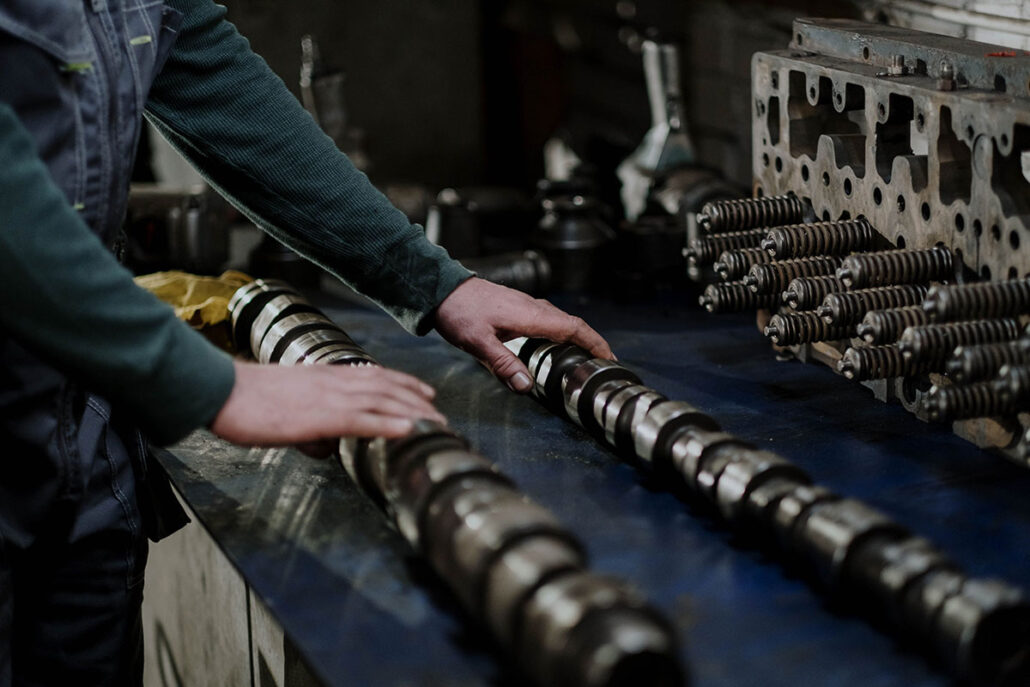
Businesses often consider an overhaul when machinery remains valuable and suitable for its intended purpose but has deteriorated through prolonged use. Rather than replacing the entire machine, targeted engineering work may help restore its condition and extend its working life.
However, an overhaul is not automatically the best choice. The equipment’s overall condition, safety, future reliability and likely maintenance requirements should all be considered before work begins.
What Is the Difference Between Machinery Repairs, Maintenance and Refurbishment?
Although the terms are sometimes used interchangeably, machinery repair, maintenance, refurbishment and overhaul describe different types of engineering work.
Routine maintenance is intended to help prevent failures and keep equipment operating as expected. It may involve inspections, lubrication, adjustments, cleaning and replacing components before they become a problem.
Machinery repair addresses a specific fault or failure. This could mean repairing a damaged component, replacing a worn part or restoring a piece of metalwork that is affecting the machine’s operation.
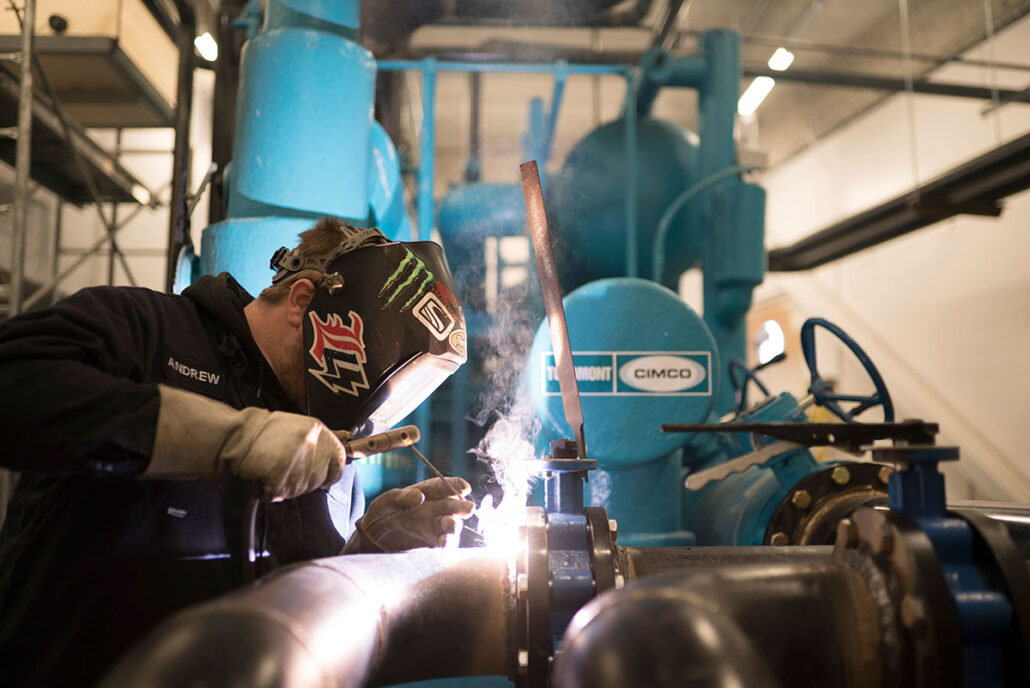
Machine refurbishment generally involves restoring the condition of existing equipment or assemblies. It may include repairing, replacing or reworking several components to improve the machine’s condition and suitability for continued use.
A machinery overhaul usually involves a more extensive assessment of the equipment and remedial work across the areas that need attention. It may overlap with refurbishment, depending on the machinery and the scope of the project.
The best approach depends on the problem. A single damaged component may only need a targeted repair. Equipment showing widespread wear may require refurbishment or an overhaul, while machinery that is no longer safe or economical to operate may need replacing.
Effective industrial machine repair and maintenance can also help businesses identify problems earlier, reducing the likelihood of avoidable breakdowns and more extensive engineering work.
When Is Repairing Industrial Machinery the Best Option?
A targeted repair can be the most practical solution when a fault is localised and the rest of the machinery remains in suitable condition.
For example, if a component becomes damaged but the surrounding assembly is sound, repairing or replacing that part may restore the equipment without the cost and disruption of a complete overhaul.
Before proceeding with industrial machinery repairs, it is worth considering:
- The age and overall condition: Is the rest of the machine in reasonable condition, or are several components approaching the end of their useful life?
- The extent of the damage: Is the fault isolated, or does it indicate a wider mechanical problem?
- Parts availability: Can a replacement component be sourced quickly, or will it require specialist manufacture?
- Safety and reliability: Will the proposed repair allow the machine to operate safely and reliably for its intended use?
- Cost and downtime: How does the repair compare with refurbishment or replacement when the full cost of disruption is included?
A well-planned machinery repair can help extend the working life of equipment and reduce expenditure compared with purchasing a new machine. However, the repair must be technically appropriate. Restoring a damaged component is not enough if the underlying cause of failure remains unresolved.
This is particularly important for heavy machinery repair, where component loads, operating conditions and the consequences of failure need careful consideration.
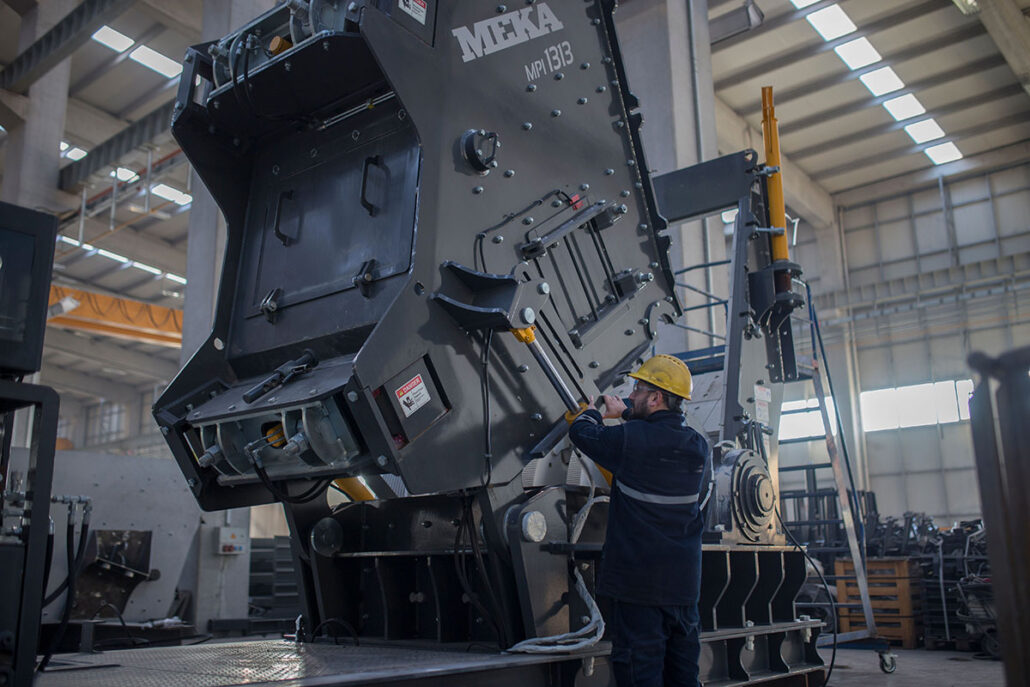
Repairing or Fabricating Replacement Components
Not every damaged machinery component needs to be replaced with a new, off-the-shelf part. In some cases, welding and metal fabrication can provide a practical route to restoring a suitable component or manufacturing a replacement.
This can be especially useful when original parts are obsolete, difficult to source or have long lead times. Depending on the application, an engineering workshop may be able to repair damaged metalwork or fabricate a replacement component to the required dimensions.
Examples may include brackets, supports, guards, chutes, frames and other fabricated assemblies used in industrial equipment.
Before a component is repaired or manufactured, its function needs to be understood. Material selection, loading, operating conditions, dimensions, tolerances and the consequences of failure all influence whether a repair is appropriate.
Welding or fabrication should not be treated as a simple fix for every damaged part. Components subject to significant loads, fatigue, pressure or other demanding conditions may require additional engineering assessment, specified procedures and appropriate inspection or testing.
The objective is to find a repair or replacement solution that is suitable for the equipment and its operating requirements.
When Should Businesses Consider Machine Refurbishment?
Machine refurbishment may be worth considering when equipment remains fundamentally suitable for its purpose, but its condition has deteriorated enough to justify more extensive work.
Rather than addressing just one fault, refurbishment can involve restoring several worn components or assemblies. Depending on the equipment, this could include repairing damaged metalwork, replacing unsuitable parts, reworking fabricated components or restoring assemblies to the required condition.
Refurbishment may be a practical option when:
- The machinery still meets the operational needs of the business.
- Wear or damage affects particular components rather than the entire machine.
- Suitable replacement parts can be sourced or manufactured.
- The equipment has sufficient remaining working life to justify the investment.
- The cost of refurbishment compares favourably with replacement.
- The refurbished machinery can meet the required safety and performance expectations.
For example, an industrial processing machine may still be suitable for production even if some of its fabricated assemblies have become worn or damaged. Restoring those assemblies could be more economical than replacing the complete machine.
However, refurbishment should begin with a realistic assessment of the equipment’s condition. If hidden damage, extensive wear or repeated failures affect several critical components, the work may be more involved than initially expected.
A machinery overhaul and machine refurbishment can overlap, so it is useful to agree the scope of work before committing to a project. Understanding what needs to be restored, what should be replaced and what level of performance is expected afterwards helps businesses make a more informed decision.
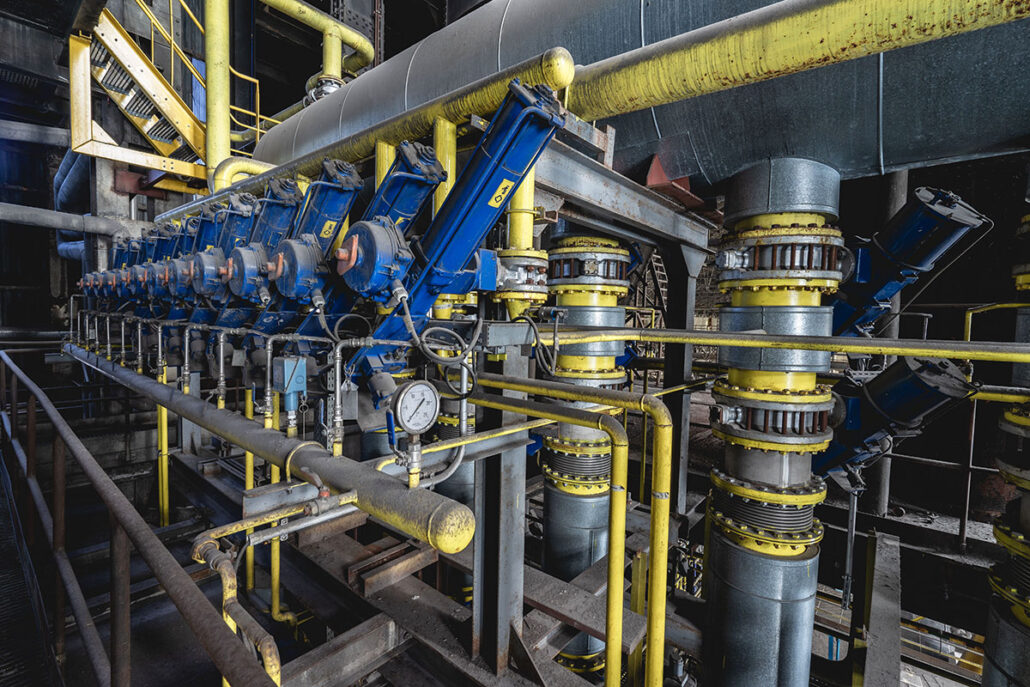
When Is Replacing Industrial Machinery the Better Decision?
Repairing or refurbishing existing machinery is not always the most economical or reliable option. Sometimes, replacement is the better long-term decision.
Businesses may need to consider machinery replacement when:
- The equipment suffers repeated breakdowns despite previous repairs.
- Damage is extensive or affects critical components.
- Replacement parts are obsolete or difficult to obtain.
- Maintenance costs are increasing significantly.
- The machinery cannot consistently meet production requirements.
- The equipment cannot be brought into a suitable safe operating condition through reasonable remedial work.
- Modern machinery could offer meaningful improvements in efficiency, reliability or production capacity.
Older equipment can remain valuable for many years, but age alone should not determine whether it is replaced. A well-maintained machine may still perform effectively, while a newer machine may already be unsuitable for its application.
The key is to look beyond the immediate cost of repair. If a machine requires frequent intervention, causes recurring production losses or has limited prospects for reliable operation, investing further in it may not represent good value.
Replacement can also introduce its own costs and challenges, including equipment purchase, delivery, installation, commissioning, operator training and potential changes to the production line.
A balanced assessment compares the likely cost and performance of keeping the existing machine with the complete cost and benefits of installing replacement equipment.
Comparing the Cost of Machinery Repair, Overhaul and Replacement
The cheapest option at the outset is not always the least expensive over the life of the equipment. When comparing machinery repair, overhaul, refurbishment and replacement, businesses should consider both the immediate engineering costs and the longer-term implications.
| Cost consideration | What to consider |
| Engineering labour | The time needed for inspection, dismantling, repair, fabrication and reassembly. |
| Replacement components | The cost and availability of parts, including any specialist manufacturing required. |
| Transport | Whether equipment or components need to be moved between the site and workshop. |
| Installation and commissioning | The work required to reinstall equipment and confirm it is ready for use. |
| Downtime | Lost production, interrupted schedules and potential delays to customer orders. |
| Future maintenance | The likely frequency and cost of further repairs or planned maintenance. |
| Expected working life | How long the equipment is reasonably expected to remain suitable after the work. |
A targeted repair may have a relatively low upfront cost, particularly if the fault is straightforward and parts are readily available. An overhaul or refurbishment is likely to involve more work, but may be justified where several components need attention.
Replacement usually involves a larger initial investment, although it may provide better value where the existing equipment is unreliable, inefficient or nearing the end of its useful life.
There is no single cost threshold that determines the right decision for every business. The answer depends on the machine, its role in production, the consequences of failure and the expected outcome of each option.
How Machinery Downtime Affects the Decision
Machinery downtime can have a significant impact on the true cost of an engineering problem. A repair that appears inexpensive may become costly if the equipment remains out of action for several days or causes delays elsewhere in the production process. Turnaround time is therefore an important part of the decision.
A targeted repair may be completed more quickly than a full overhaul, while replacement machinery may require time for manufacture, delivery, installation and commissioning. On the other hand, an extensive repair to badly deteriorated equipment could take longer than anticipated, particularly if additional faults are discovered during the work.
Businesses should consider the availability of replacement parts, the time needed to complete the engineering work and the likely disruption to operations.
Planned maintenance can also help reduce uncertainty. Regular inspections and early identification of component wear give maintenance teams more opportunity to schedule repairs before a failure stops production.
Where possible, planning repair work around production schedules and agreeing the scope of work in advance can help businesses manage disruption more effectively.
On-Site Machinery Repairs vs Workshop Repairs
The best location for machinery repair depends on the equipment, the nature of the fault and the work required.
On-site machinery repair may be practical when equipment is difficult to move, is permanently installed or would cause significant disruption if removed from the production area. Site work can also be useful where the damaged component can be accessed and repaired safely without transporting the complete machine.
However, access restrictions, working space, available lifting equipment and the need to coordinate with site operations can all affect what is possible.
Workshop repairs may be preferable when the work requires more extensive dismantling, specialist equipment or better access to the component. Moving a component to a workshop can provide a more controlled working environment and make it easier to carry out fabrication, cutting, welding and other engineering tasks.
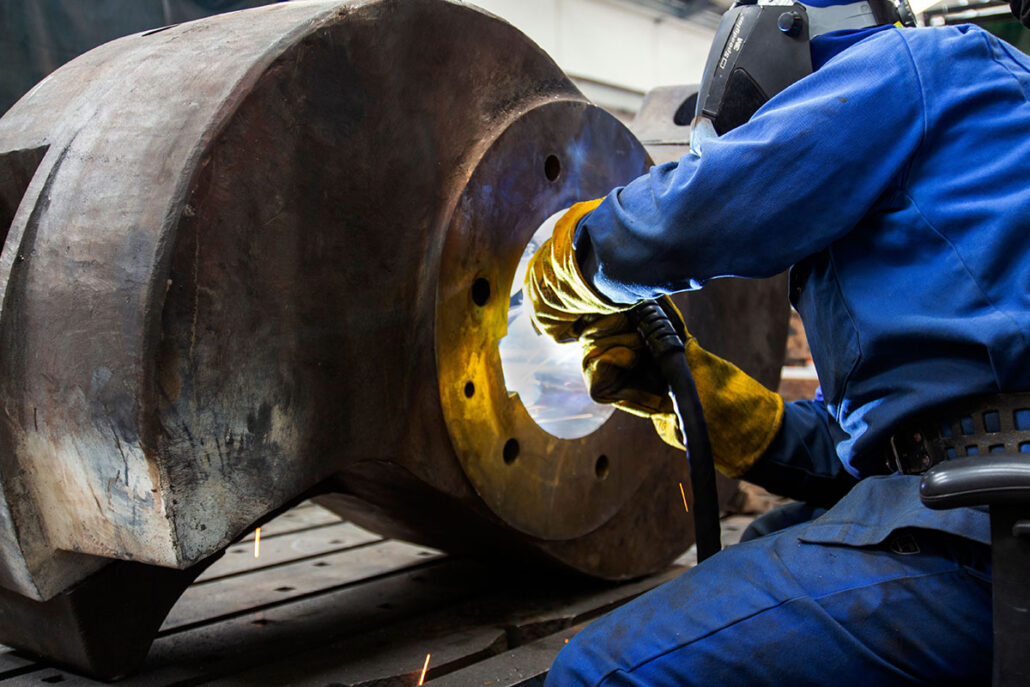
Workshop facilities with suitable heavy overhead cranes can also help with handling large or heavy components, where the equipment and lifting arrangements are appropriate. Bore welding and plasma cutting may be relevant to certain repair projects, depending on the component and the work required.
The decision should be based on the most practical and safe way to complete the work. In some cases, a combination of workshop and site work may be appropriate, with components repaired or fabricated in the workshop before being returned for installation.
The location can affect cost, turnaround time and production disruption, so it is worth discussing the options with the engineering team before work begins.
Why Engineering Expertise Matters in Machinery Overhauls and Repairs
A successful machinery repair involves more than restoring a visibly damaged part. It requires an understanding of how the component functions, why it failed and what is needed to ensure the repair is suitable for its intended application.
Identifying the underlying cause of failure is particularly important when equipment has suffered repeated breakdowns. If the original cause is not addressed, the same problem may return even after a component has been repaired or replaced.
Depending on the project, an engineering assessment may consider:
- The condition of the damaged component and surrounding assemblies.
- The loads, movement and operating conditions involved.
- The suitability of the existing material or a proposed replacement.
- Dimensional requirements, alignment and fit.
- The appropriate repair, welding or fabrication method.
- Inspection and testing requirements.
- Safe installation and return to service.
Welding and metal fabrication can play an important role in restoring suitable industrial machinery components. However, the correct method depends on the material, component design and service conditions. Some parts may be repairable, while others may need to be replaced or assessed by a specialist.
Quality control and inspection should also be proportionate to the risks and requirements of the equipment. Where specified, this may include dimensional checks, visual inspection, non-destructive testing or other verification before the machinery is returned to operation.
Workplace safety is another essential consideration. In the UK, the Provision and Use of Work Equipment Regulations 1998 (PUWER) set requirements for work equipment to be suitable for its intended use, maintained in a safe condition and inspected where required. The specific duties depend on the equipment and circumstances, and repairs do not remove the need for appropriate risk assessment and safe working practices.
Choosing an engineering partner who considers the wider equipment and its operating requirements can help businesses make better-informed decisions about repairs, refurbishment and overhaul work.
How Burnhouse Engineering Supports Machinery Repairs and Refurbishment Projects
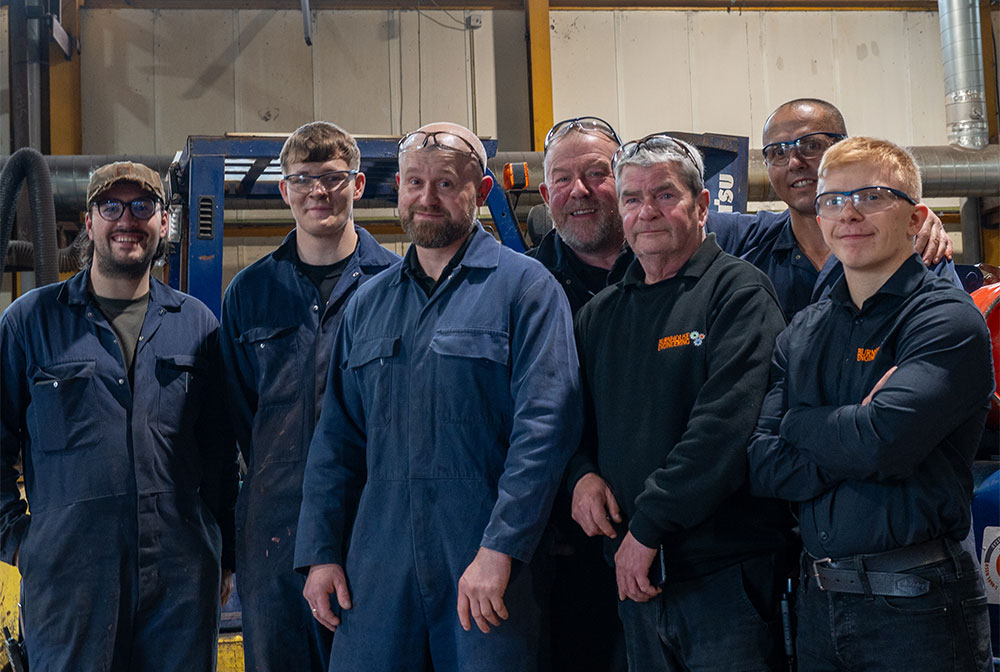
Burnhouse Engineering supports industrial businesses with machinery maintenance, welding and fabrication repairs. Depending on the equipment and the engineering requirements, this may include repairing damaged components, fabricating replacement parts or carrying out suitable work in the workshop or on-site.
The workshop’s engineering capabilities include welding and fabrication, plasma cutting, bore welding and facilities for handling heavy components using overhead cranes. These capabilities can be useful for suitable repair and refurbishment projects where components need to be accessed, restored, machined or manufactured.
Potential applications include material handling machinery, screw conveyors, bagging equipment and industrial processing machinery. The specific work required will depend on the design of the equipment, the condition of the components and the operating demands of the application.
For some projects, a targeted repair may be sufficient. Others may need more extensive refurbishment or an overhaul involving several components. Where a part is no longer available, manufacturing a suitable replacement may also be an option, subject to the necessary engineering assessment.
Burnhouse Engineering can discuss the practical requirements of a project, including the nature of the damage, the preferred repair location and the work needed to restore the equipment to a suitable condition. The scope of work will depend on the machinery and the specific engineering requirements.
If equipment is becoming unreliable, identifying the problem early can help businesses understand their options before the issue leads to a more disruptive breakdown.